
Tablets and packaging
Showing all 5 resultsSorted by latest
Tablet Manufacturing and Packaging Process: From Powder to Final Product
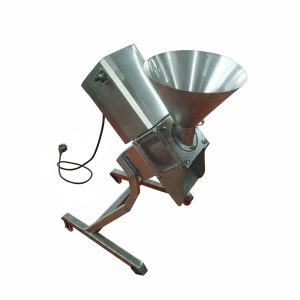
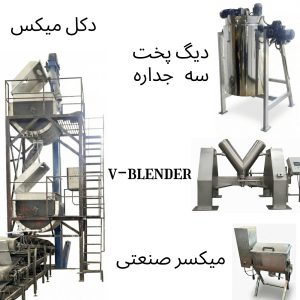
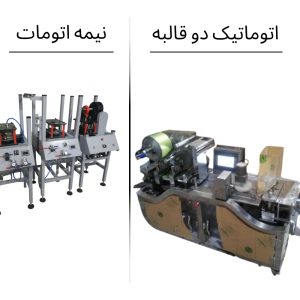
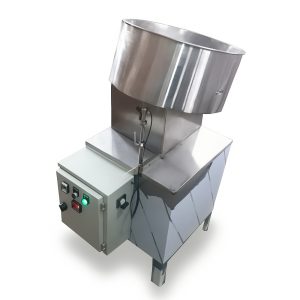
Tablet manufacturing is a meticulous, multi-step industrial process that begins with the preparation and mixing of active and auxiliary powders (such as fillers and lubricants). This initial blend is then subjected to granulation (dry or wet) to transform the fine particles into uniform granules that are perfectly suited for the next step, pressing and compaction. In this step, the granulated powder is pressed under very high pressure in the dies of a tablet press into tablets of uniform weight, hardness, and size. Many tablets then enter the coating stage to be coated with a thin polymer layer (film coat) for protection, flavor, or color. Finally, the tablets are packaged in fully automatic machines using blister packaging methods or plastic bottles to protect them from contamination and damage and are ready for consumption.
Tablets and Packaging: Invisible Guardians of Drug Health and Quality
Tablet packaging is one of the most complex and critical steps in the pharmaceutical production chain, which has the most direct connection with consumer health. Its main objective is to optimally protect the product from physical, chemical and environmental threats (such as light, moisture and oxygen) to ensure the stability of the active ingredients and prevent drug spoilage.
Common types of packaging include blisters (Strip Packs or capsules) and sealed containers (such as HDPE bottles). Blister packaging is the most common method for tablets and capsules, protecting each dose individually and in a sterile and sealed environment. This method not only prevents cross-contamination, but also allows traceability of production and expiration dates.
Modern packaging functions go far beyond physical protection. These packages contain essential information such as dosage, side effects, storage instructions and serial numbers, providing transparency and security for the patient. Also, features such as child-resistant caps and senior-friendly designs demonstrate the industry’s focus on safety and convenience for all consumer groups.
Finally, packaging has become an important tool in the fight against drug smuggling; with the use of proprietary barcodes, holograms and other security features, product authenticity is guaranteed and public trust in the pharmaceutical industry is strengthened.